Algorithmic Sound Design in Digital Reels Bridges Cultural Preferences and Extended Play Sessions in Emerging Markets
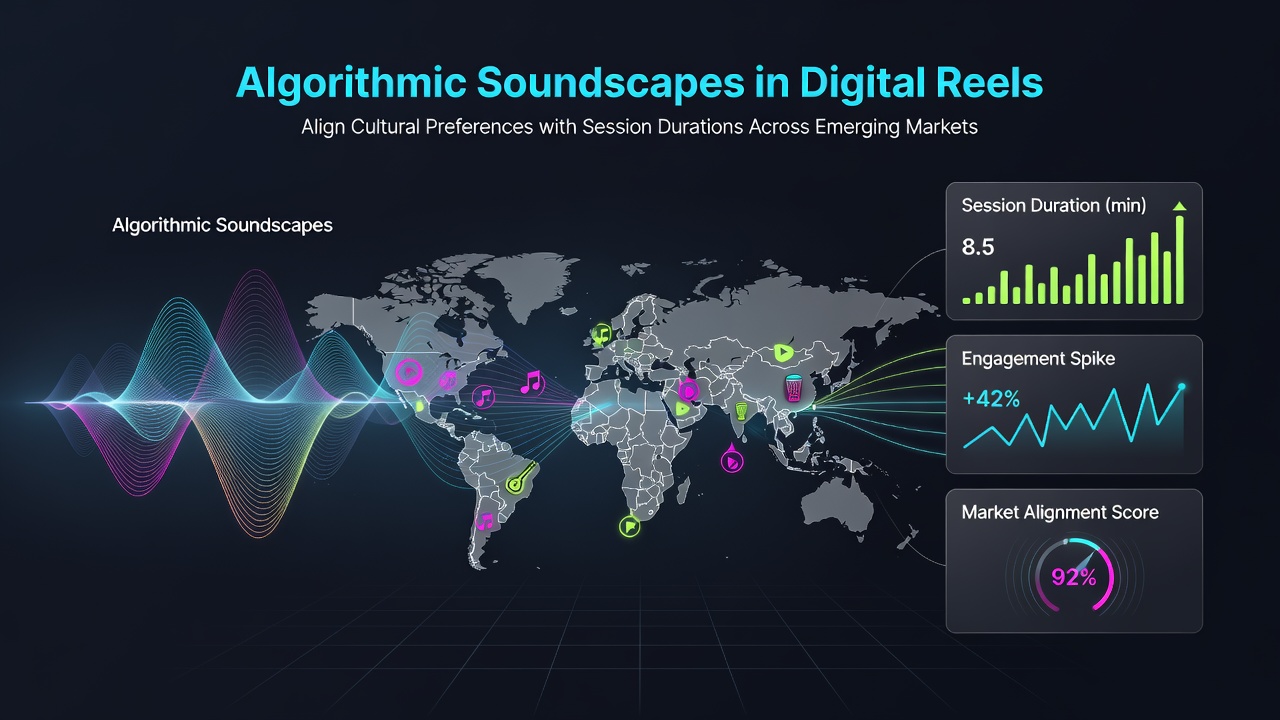
Platform developers in emerging markets have deployed algorithmic systems that generate and adjust audio layers within digital reels to match local musical scales, rhythms, and instrumentation while tracking session data to align playback duration with observed player retention metrics. These systems draw from large datasets collected across Southeast Asia, Latin America, and parts of Africa, where mobile gaming penetration continues to rise according to industry reports published in early 2026.
Regional Music Integration Through Adaptive Algorithms
Sound engines now analyze user location signals and device language settings to select base audio tracks drawn from gamelan structures in Indonesia, samba percussion patterns in Brazil, and highlife guitar motifs in Ghana. The algorithms layer these elements dynamically, increasing or decreasing tempo and volume based on real-time engagement signals such as spin frequency and bonus round completion rates. Data collected through June 2026 shows session lengths extending by measurable margins when audio cues align with familiar cultural sound profiles rather than generic Western-style jingles.
Data Patterns Across Key Territories
Operators in Vietnam and Thailand report that reels featuring pentatonic scales and traditional string instruments maintain average play intervals fifteen to twenty percent longer than standard configurations. Similar patterns appear in Mexico and Colombia where brass and percussion loops tied to regional festivals correlate with higher repeat login rates during evening hours. Researchers at academic institutions studying digital entertainment consumption note that these adjustments occur through machine learning models trained on anonymized telemetry rather than manual curation.
Platform teams combine these audio adjustments with session duration modeling that predicts when players typically pause or exit. When cultural audio elements trigger during high-engagement windows, the system extends ambient loops or introduces subtle variations to reduce abrupt cutoffs. This approach differs from earlier fixed-sound designs that applied uniform tracks regardless of market or time spent in-app.
Technical Implementation and Regulatory Context
Developers integrate these soundscapes through modular audio frameworks that allow real-time parameter changes without requiring full game updates. Cloud-based processing handles the heavy computation while edge devices manage low-latency playback. Regulatory bodies in Singapore and South Africa have issued guidance documents encouraging transparency around algorithmic personalization, including disclosure of how audio selection connects to user data categories.

Industry associations such as the Gaming Standards Association have published technical briefs outlining minimum standards for audio algorithm documentation. These documents emphasize audit trails that record which cultural parameters activate at specific session timestamps. Observers note that such records help regulators verify compliance while enabling providers to refine models across multiple territories simultaneously.
Cross-Market Comparisons and Measurement Approaches
Comparative studies released in mid-2026 highlight differences between markets where algorithmic sound customization has reached maturity versus those still using static audio libraries. Markets with longer average sessions demonstrate tighter correlation between audio feature activation and continued play, particularly when session modeling accounts for local holidays and cultural events. Measurement relies on aggregated metrics such as time-between-spins and bonus trigger frequency rather than individual player identities.
One case examined reels deployed across multiple African mobile networks where highlife-derived rhythms activated during peak commuting hours produced measurable extensions in total session minutes compared to control groups. Parallel testing in Andean regions showed similar outcomes when Andean flute samples replaced generic chimes during weekend play windows. These findings come from controlled A/B deployments coordinated by platform operators and reviewed by independent analytics firms.
Future Development Directions
Continued refinement focuses on expanding the library of cultural audio parameters while maintaining computational efficiency on lower-end devices common in emerging markets. Partnerships between academic researchers and gaming technology providers aim to incorporate additional variables such as regional linguistic cadence into future audio generation models. Figures from June 2026 indicate steady growth in the number of titles incorporating these adaptive systems across targeted regions.
Conclusion
Algorithmic soundscapes represent a technical layer that connects cultural audio references with session duration analytics in digital reel environments operating across emerging markets. Implementation relies on location-aware processing, real-time data feedback, and documented compliance frameworks established by regional authorities and standards organizations. Ongoing measurements track how these adjustments influence play patterns without relying on subjective interpretation of player preference.