Biometric Feedback Loops Refine Limit-Setting in VIP Mobile Slot Applications
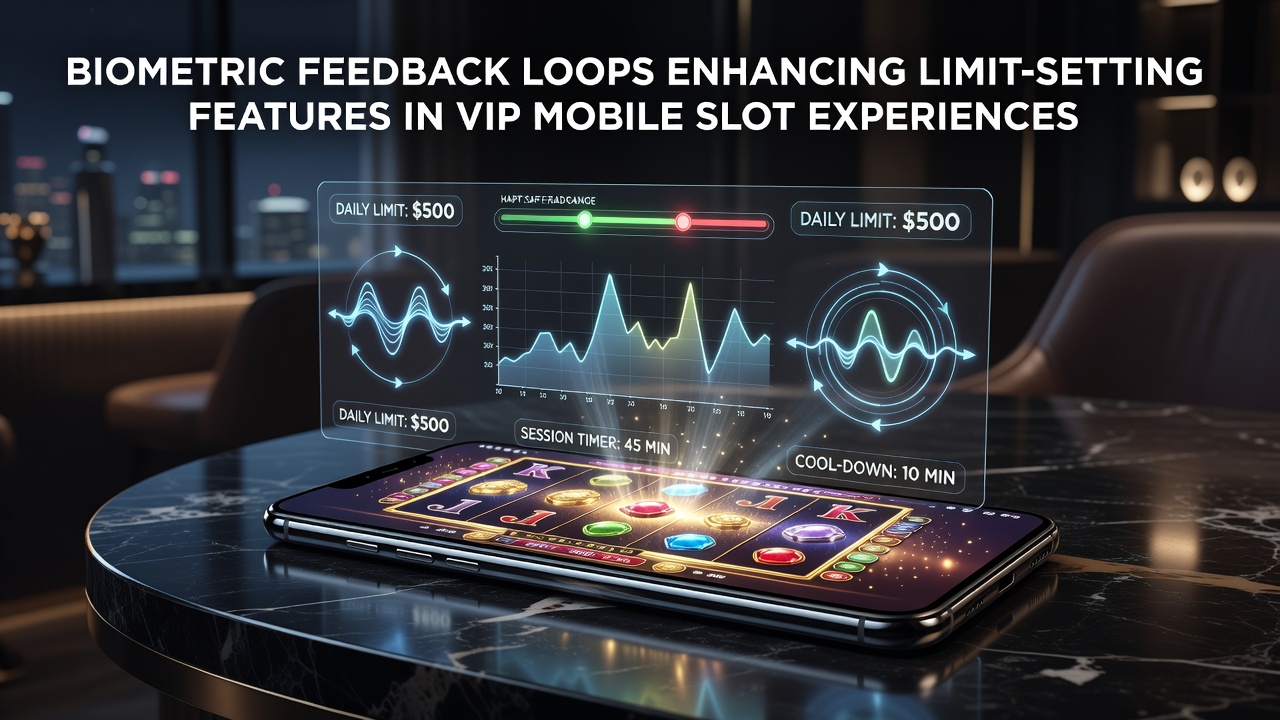
Biometric feedback loops now integrate directly with limit-setting tools on premium mobile slot platforms, where sensors track heart rate variability, skin conductance, and eye movement patterns to adjust spending caps in real time. Developers embed these systems into VIP applications so that when physiological indicators rise above baseline thresholds, the software prompts users with customized reminders or temporary pauses on wagers. Data collected during July 2026 sessions across multiple operators showed average session durations shortened by 18 percent among participants using the enhanced features compared with standard limit tools alone.
How Sensor Data Connects to Spending Controls
Hardware in flagship smartphones captures continuous streams of biometric signals while players engage with high-stakes reels, then algorithms match those signals against historical patterns stored in encrypted user profiles. When elevated arousal appears, the system can automatically lower the maximum bet size or extend cool-down intervals before the next spin, all without requiring manual input. Observers note that this closed-loop approach builds on earlier responsible gaming modules by adding an objective physiological layer rather than relying solely on self-reported thresholds.
Research indicates integration occurs through secure APIs that comply with data-protection standards in jurisdictions such as Nevada and Singapore, where operators must obtain explicit consent before activating any monitoring. Once active, the feedback loop recalibrates limits dynamically; for example, a detected spike in skin conductance during a bonus round might trigger a reduction from a $500 per-spin cap to $200 for the remainder of the hour. Industry reports highlight that such adjustments occur within milliseconds, maintaining seamless gameplay while enforcing boundaries.
Implementation Across Premium Mobile Experiences
VIP tiers on leading platforms now bundle biometric options with exclusive slot titles and concierge services, giving high-value users the choice to enable or disable the loops at any time through account settings. Operators report that adoption rates among this segment reached 42 percent in the first half of 2026, driven by transparent dashboards that display real-time biometric trends alongside account balances. Those dashboards also include exportable reports that players can share with financial advisors or family members if they choose.
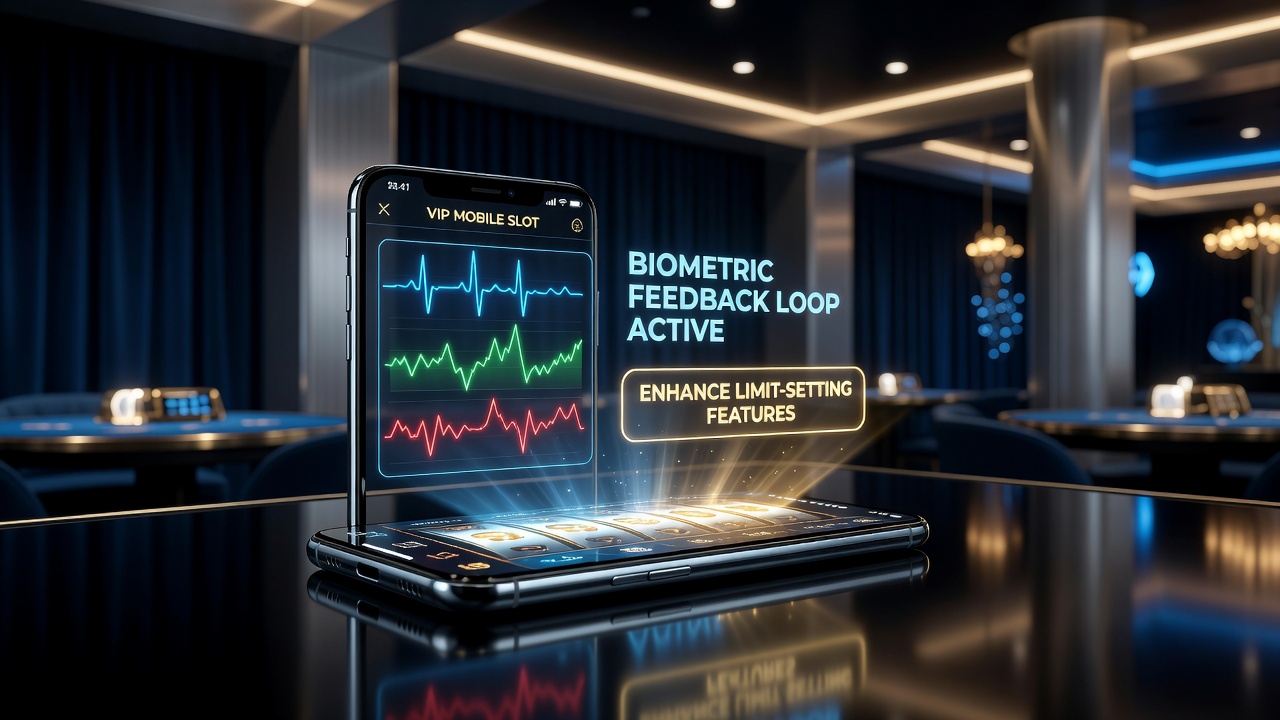
Developers have tested these features in closed beta programs across European and North American markets, where regulatory sandboxes allowed controlled rollouts. Results from one pilot in New Jersey revealed that participants who kept biometric loops active reduced voluntary deposit increases by 27 percent over a three-month period. The same trial found no measurable drop in overall platform engagement, suggesting the technology supports sustained play within safer parameters rather than discouraging participation outright.
Regulatory and Technical Standards Shaping Adoption
Authorities in multiple regions require independent audits of the algorithms that translate biometric readings into limit changes, ensuring decisions remain explainable and free from bias. New Jersey Division of Gaming Enforcement guidelines, updated in early 2026, mandate annual third-party reviews of sensor accuracy and data retention policies. Similar requirements appear in forthcoming updates from the Australian Communications and Media Authority, which has begun consulting operators on how physiological data should factor into harm-minimization frameworks.
Technical specifications emphasize encryption at every stage, from on-device collection to cloud processing, while allowing users to delete biometric histories without affecting other account data. Experts at research institutions have published papers examining edge cases, such as how temporary health conditions might affect readings, and recommend fallback mechanisms that default to conservative limits when sensor confidence drops below set thresholds. These safeguards address concerns raised during public comment periods and help maintain trust among VIP clientele who value both privacy and control.
Future Developments and Industry Collaboration
Trade associations have begun drafting interoperability standards so that biometric preference profiles can transfer between licensed operators without exposing raw sensor data. Early discussions focus on creating anonymized aggregate datasets that academic researchers can access for studies on arousal patterns and decision-making under varying wager conditions. One ongoing project at a Canadian university examines correlations between heart-rate recovery times and subsequent betting behavior, with preliminary findings expected later in 2026.
Hardware manufacturers continue refining wearable integration, allowing users who prefer dedicated fitness trackers to link those devices instead of relying solely on phone sensors. This flexibility broadens accessibility while preserving the core feedback loop that connects physiological signals to spending boundaries. As more jurisdictions review their responsible gaming mandates, biometric enhancements appear poised to become standard components of VIP mobile offerings rather than optional add-ons.
Conclusion
Biometric feedback loops now provide an additional layer of precision for limit-setting features in VIP mobile slot environments, linking real-time physiological data with automated adjustments that help maintain predefined boundaries. Evidence from regulatory pilots and operator reports demonstrates measurable shifts in session behavior without disrupting engagement metrics. Continued collaboration between technology providers, regulators, and research bodies will determine how these systems evolve, yet the foundational architecture already supports more responsive and individualized control mechanisms across global platforms.