International Standards Drive Slot Providers to Adopt Real-Time Payment Monitoring
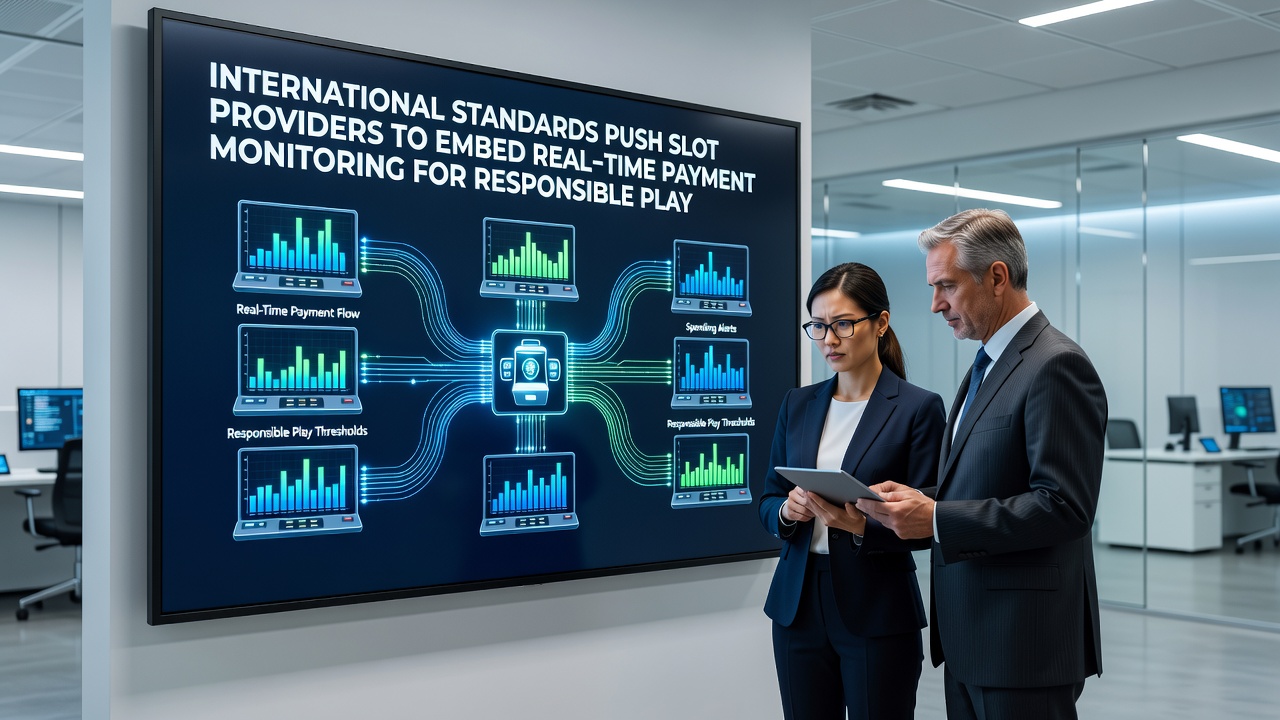
Regulatory bodies across multiple continents continue to align on technical requirements that compel slot developers to build live payment oversight directly into their platforms, and this alignment has accelerated during the first half of 2026.
Global Framework Developments
Standards organizations working through the International Association of Gaming Regulators have published updated technical specifications that outline how payment data must flow in real time to compliance modules, while separate guidance from the Alcohol and Gaming Commission of Ontario emphasizes continuous monitoring of deposit and withdrawal patterns to flag potential harm indicators before they escalate. These documents converge on the same core expectation that transaction streams cannot remain isolated from responsible gambling systems.
Slot providers therefore face a uniform set of integration points regardless of the markets they serve, and this uniformity reduces the need for region-specific code branches while still satisfying local licensing conditions.
Technical Implementation Patterns
Payment gateways now transmit structured event data to monitoring engines at sub-second intervals, allowing algorithms to calculate velocity metrics, cross-reference session length, and compare current behavior against historical baselines established for each account. When thresholds are crossed, the system can trigger interventions such as deposit limits, cooling-off prompts, or temporary session pauses without requiring manual review by operators.
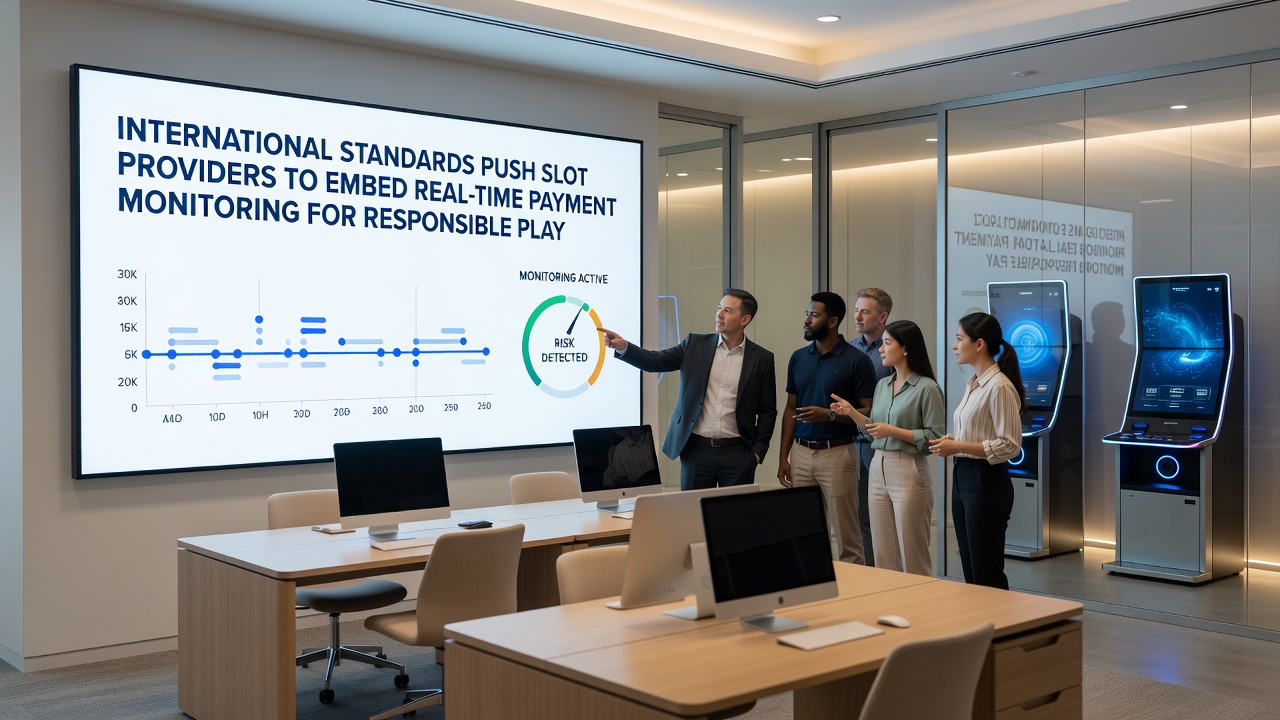
Developers have responded by embedding application programming interfaces that handle encrypted payloads containing amount, timestamp, payment method type, and player identifier, and these interfaces operate independently of the game engine so that regulatory updates can be applied without touching core reel logic or return-to-player calculations.
Regional Adoption Timelines
Jurisdictions in Australia began requiring live monitoring modules for new slot certifications starting in March 2026, while several European markets aligned their certification checklists with the same technical annex during April and May. North American tribal and commercial operators that supply multi-state platforms have reported completing initial integration testing ahead of scheduled audits in June 2026.
The staggered rollout has allowed providers to prioritize markets with the earliest deadlines, yet the underlying data schemas remain consistent enough that a single monitoring layer services most deployments once initial configuration is complete.
Impact on Responsible Play Features
Real-time payment visibility enables more granular limit-setting tools because players can receive immediate feedback on cumulative spend within a chosen timeframe rather than waiting for end-of-day summaries. Systems can also surface personalized messages when spending patterns deviate from an individual’s established profile, drawing on the same continuous data stream that regulators now mandate.
Industry reports compiled by the Victorian Responsible Gambling Foundation indicate that platforms already equipped with similar monitoring have recorded measurable reductions in the time between first deposit and first harm-prevention action, although broader outcome studies remain ongoing.
Challenges for Smaller Providers
Independent studios with limited engineering resources must either license third-party monitoring components or redesign their payment architecture to meet certification checkpoints, and both paths carry upfront costs that larger conglomerates absorb more easily. Certification bodies have introduced phased compliance windows to mitigate this disparity, yet observers note that the technical bar continues to rise with each standards revision cycle.
Conclusion
The convergence of international technical standards has effectively made real-time payment monitoring a baseline requirement rather than an optional enhancement for slot platforms, and the June 2026 horizon marks the point at which many operators will complete their first full audit cycles under the new regime. Providers that treat the monitoring layer as a modular service rather than a bolted-on feature appear better positioned to accommodate future refinements without disrupting game delivery.