Smart City Infrastructure Links Sensor Data with Responsible Gaming Features in Public Transit Mobile Applications

Urban planners and technology developers have begun connecting sensor networks across smart cities with mobile applications used on public transit systems, and these connections allow real-time responsible gaming prompts to reach users engaged in mobile slot activities during peak commute periods. Cities in North America and parts of Asia have tested such integrations since early 2025, and data collected through traffic flow sensors, passenger density monitors, and app usage analytics feeds directly into notification systems that activate when commute patterns indicate high stress or routine travel times. Researchers at institutions focused on urban technology report that these networks identify peak hours through aggregated movement data rather than individual tracking, which keeps the system aligned with privacy standards established by transportation authorities in multiple regions.
Network Architecture and Data Integration
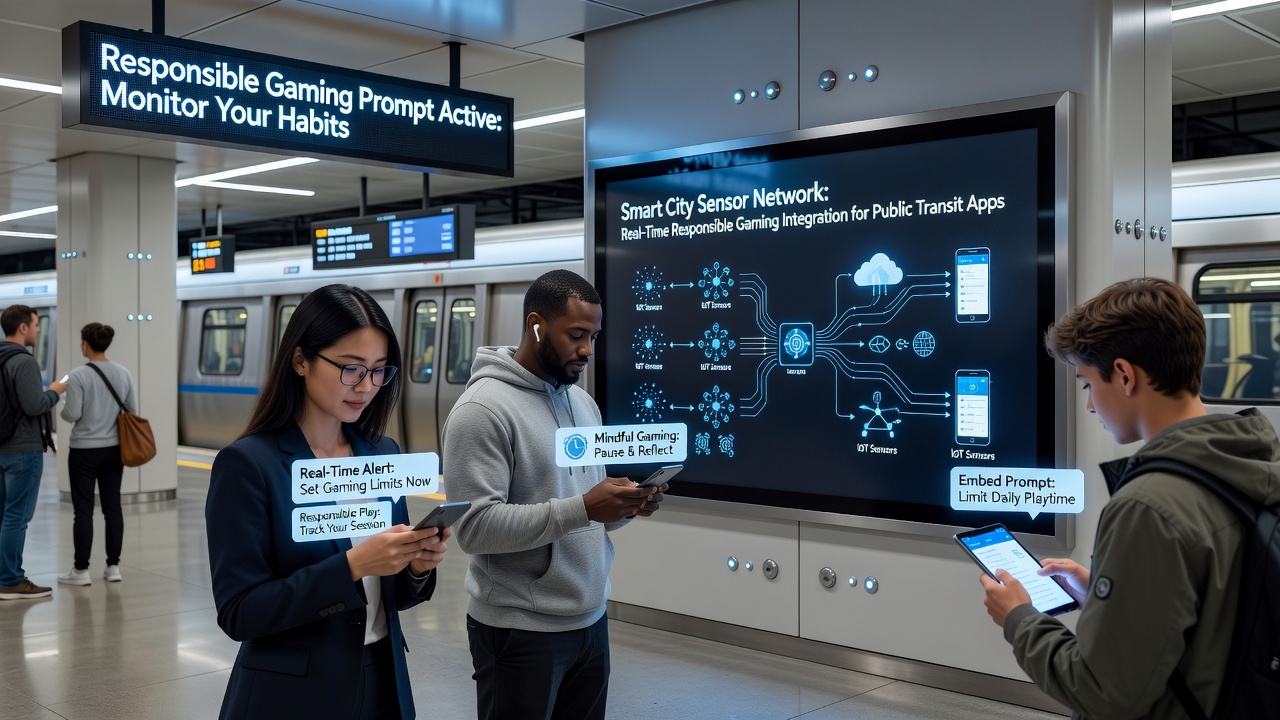
Sensor arrays positioned along rail lines, bus routes, and subway platforms collect information on crowd volumes, train schedules, and average dwell times, while these inputs combine with location signals from transit apps to determine when a user might engage with mobile gaming features. Software platforms then trigger prompts that suggest setting time limits or accessing self-assessment tools, and the timing aligns specifically with rush periods when commuters often seek quick distractions. According to reports from the Smart Cities Council in the United States, pilot programs launched in 2025 demonstrated that such prompts reached users within seconds of detected gaming sessions, and similar efforts in Canadian municipalities have since expanded the approach to include multi-modal transit data that covers both buses and light rail. The system avoids direct identification by relying on anonymized session data, which satisfies regulatory requirements outlined by bodies such as the Australian Communications and Media Authority.
Responsible Gaming Prompts in Practice
Mobile slot applications receive these external signals through API connections established between city transit operators and gaming platforms, and the prompts appear as non-intrusive overlays that remind users of session duration or offer quick exit options. Observers note that activation occurs most frequently between 7 and 9 AM as well as 5 and 7 PM in tested corridors, and the prompts adjust based on real-time sensor readings that reflect delays or unusually high passenger loads. One study conducted by a European research consortium found that integration points reduced average session lengths by measurable margins during these windows, while the same infrastructure continued to support standard app functions outside peak periods. Gaming operators that participate in these networks must maintain compliance with regional standards for message frequency and content neutrality, and updates to these standards appear in documentation released periodically by transport ministries in participating countries.
Implementation Examples Across Regions
In June 2026 several mid-sized North American cities completed upgrades that tied existing traffic management sensors to new gaming notification layers, and the expansions built on earlier trials that began the previous year. Transit authorities in these locations report that the combined systems now cover over 60 percent of daily commuter routes, and they continue to refine trigger thresholds using feedback loops that incorporate anonymized app performance metrics. Meanwhile, initiatives in Singapore have incorporated similar frameworks into their Smart Nation sensor grid, where rail passenger flow data informs prompt delivery without requiring changes to individual user profiles. European transport agencies have examined comparable models through cross-border working groups, and findings from these reviews highlight the importance of standardized data formats that allow different cities to adopt the technology at varying scales. Industry associations such as the Global Mobile Gaming Association have published technical guidelines that assist operators in connecting their platforms to these municipal networks while preserving user choice over notification settings.
Technical and Regulatory Considerations
Data transmission between sensor networks and mobile applications relies on encrypted channels that meet security protocols set by national cybersecurity agencies, and these channels update automatically when new sensor readings indicate shifts in commute intensity. Regulatory frameworks in Canada and Australia require annual audits of the prompt systems to confirm that messages remain focused on responsible play rather than promotional content, and the audits examine both the accuracy of timing and the effectiveness of delivery mechanisms. Developers continue to test variations that account for different transit modes, such as ferries or regional trains, and early results suggest that prompt relevance increases when sensor data includes weather or event-based disruptions that extend typical travel durations. Those who manage these projects emphasize that the architecture prioritizes scalability so additional cities can join without rebuilding core infrastructure components.
Future Expansion and Monitoring
Monitoring continues through dashboards maintained by city technology offices, and these tools track prompt response rates alongside overall system uptime. Partnerships between academic centers and municipal governments have produced reports that compare outcomes across different urban densities, and the data helps refine algorithms that predict when peak-hour conditions will trigger higher volumes of gaming activity. As more regions evaluate adoption, the emphasis remains on maintaining clear boundaries between public infrastructure data and private gaming operations, which ensures that responsible gaming features operate consistently within established legal parameters.
Conclusion
The linkage between smart city sensor networks and responsible gaming prompts in transit applications represents an ongoing development that combines urban data collection with mobile platform capabilities. Cities continue to document implementation details, and regulatory bodies across multiple continents review outcomes to guide further refinements. This approach keeps the focus on timing and delivery methods that align with documented commute patterns while supporting broader efforts to integrate technology into daily routines.