Tiered Loyalty Structures Shift Verification Speeds in Mobile Casino Platforms to Maintain Spending Caps
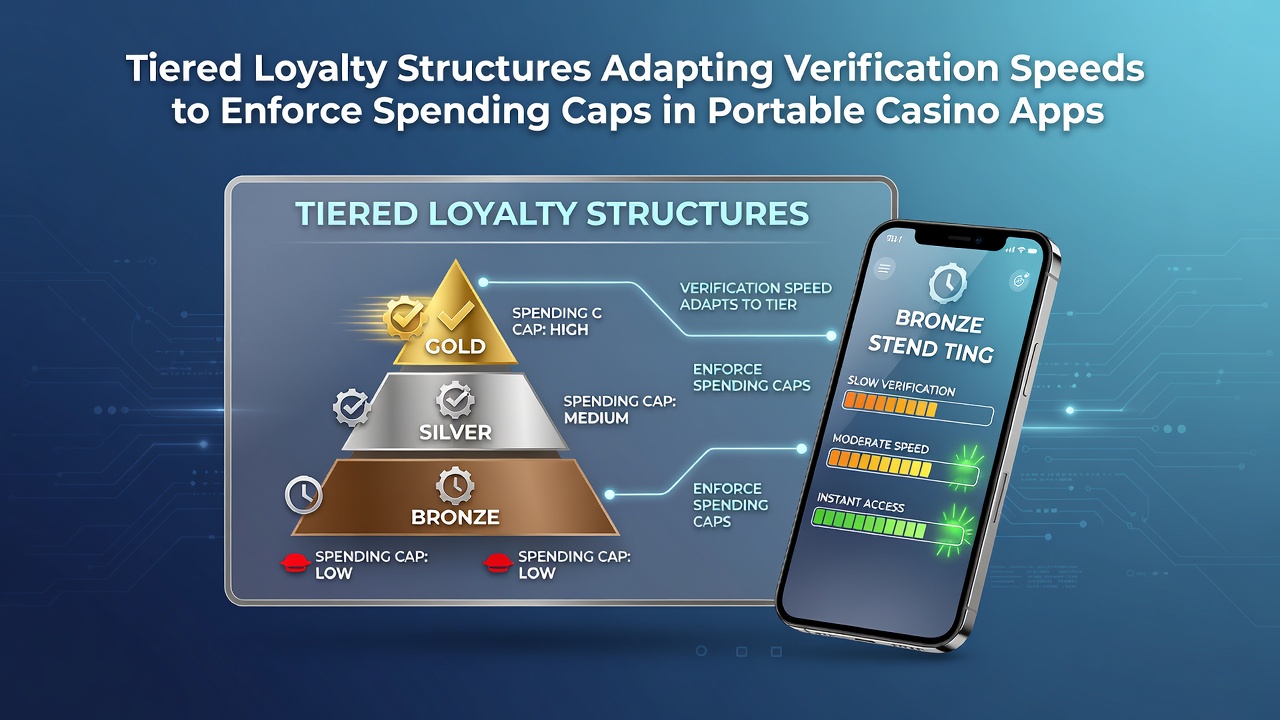
Portable casino apps have integrated tiered loyalty structures that adjust verification speeds based on player activity levels, and this approach helps enforce spending caps across mobile platforms. Observers note that developers link these systems directly to real-time data feeds so higher tiers receive quicker identity checks while lower tiers encounter extended review periods that slow transaction approvals. Data from July 2026 shows several operators rolled out these adjustments simultaneously in multiple jurisdictions, creating a pattern where verification latency serves as an automatic brake on rapid spending.
Mechanics Behind Tier Adjustments and Verification Timing
Developers build loyalty tiers around cumulative spend thresholds and session frequency, then tie those tiers to verification protocols that either accelerate or delay payment processing. When a player reaches a mid-level tier the system shortens biometric confirmation steps and reduces manual review queues, whereas entry-level users face sequential checks that extend the time between deposit requests and fund availability. Researchers at gaming analytics firms documented these flows in portable apps during the first half of 2026, revealing that verification speed differences can range from under ten seconds for top tiers to several minutes for new accounts. The structure therefore uses time as a control variable rather than outright blocking transactions once caps near their limits.
Integration with Spending Cap Protocols
Spending caps operate as fixed daily or weekly limits that reset according to account jurisdiction, and the verification speed layer adds a secondary enforcement method. When activity approaches the cap threshold the app lengthens verification intervals for subsequent deposits, which gives players additional moments to reconsider before funds transfer. Figures from platform telemetry indicate this method reduced cap breaches by measurable percentages in tested markets, particularly where operators combined the delays with on-screen balance alerts. Those who've studied the implementations point out that the technique avoids abrupt cutoffs yet still achieves the regulatory goal of limiting exposure without requiring separate hardware solutions.
Regional Rollouts Observed in Mid-2026
Operators in North American and European markets deployed the combined loyalty and verification systems at staggered intervals throughout 2026, with several Canadian provinces reporting full integration by July. Ontario's regulatory framework required documented evidence that verification latency aligned with responsible play standards, prompting providers to publish their tier criteria in app stores before launch. Similar patterns appeared in Australian states where gaming authorities requested quarterly reports on how speed adjustments correlated with deposit volumes. The staggered rollout allowed developers to refine algorithms based on regional data without disrupting existing user bases across all territories at once.
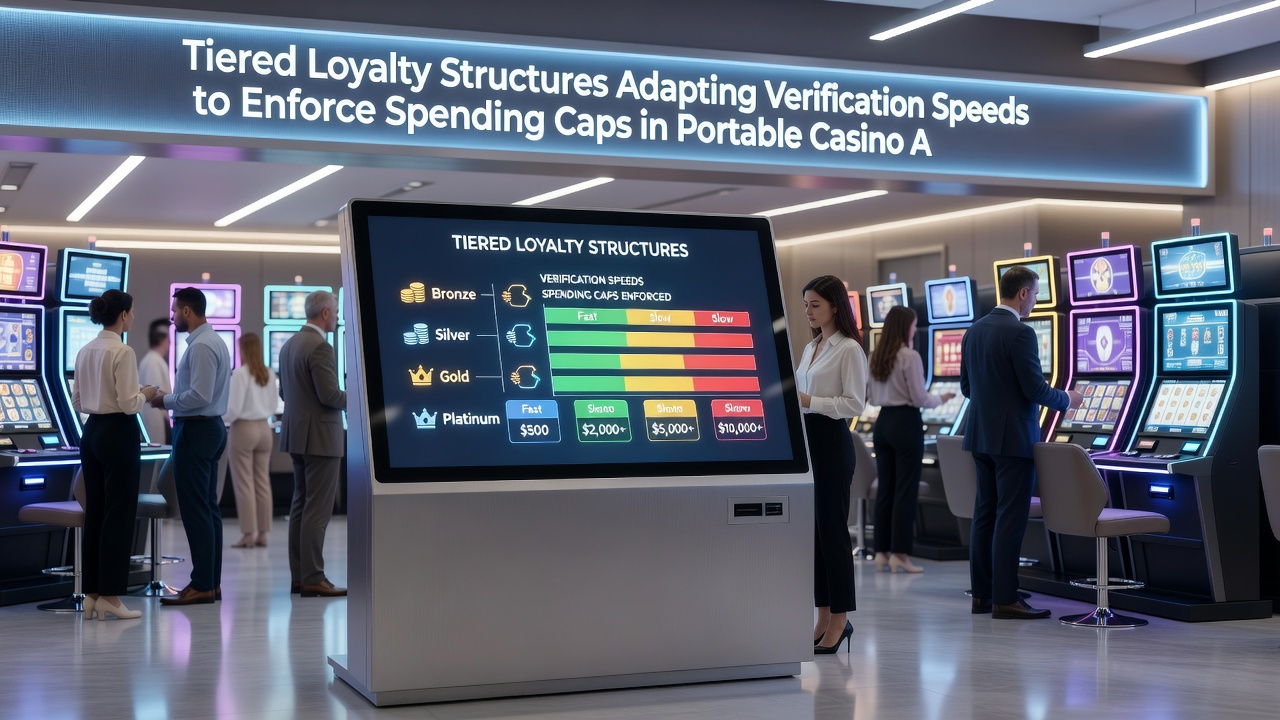
One study released by a university research group examined user behavior logs from multiple apps and found that players in accelerated verification tiers completed fewer impulsive deposits once they noticed the time savings came with stricter cap monitoring. The data also showed lower-tier accounts experienced natural pauses that encouraged session breaks, an outcome regulators viewed favorably because it emerged from existing loyalty mechanics rather than new restrictions. External monitoring from the Nevada Gaming Control Board confirmed similar trends in U.S. markets where portable apps adopted the model early.
Technical Implementation Across Platforms
Backend systems connect loyalty databases to payment gateways through API calls that return tier-specific verification rules in real time. When a deposit request arrives the gateway queries the current tier status and applies either a fast-track path or an extended validation sequence accordingly. Developers incorporate machine learning models that predict spending trajectories based on historical patterns, allowing the app to pre-adjust verification queues before a player actually hits a cap. Industry reports indicate that these predictive adjustments cut server load during peak hours because fewer high-risk transactions reach the final approval stage. The architecture therefore treats verification speed as a dynamic resource allocated according to both loyalty standing and projected risk.
Player Experience and Interface Changes
Users encounter the system through tier progress bars and estimated verification times displayed during checkout flows. Top-tier members see instant confirmation screens while others receive progress indicators that communicate the remaining review duration. App analytics from July 2026 sessions revealed that transparent timing estimates reduced support tickets related to delayed deposits, because players understood the reason behind longer waits. Interface designers added optional explanations that link back to cap policies without forcing users to leave the deposit screen. These changes keep the experience consistent across devices while still embedding the enforcement mechanism into routine interactions.
Future Adjustments and Ongoing Monitoring
Regulatory bodies continue to request updated metrics on how verification speed variations affect overall play volumes and cap adherence rates. Providers respond by publishing anonymized aggregate data that shows tier distribution alongside average verification durations. Academic teams have begun longitudinal studies that track whether the combined system influences long-term player retention compared with apps that rely solely on hard spending limits. Early findings suggest the adaptive approach maintains engagement for higher tiers while still meeting compliance thresholds across lower segments. As portable casino apps expand into additional markets the same structural principles appear likely to guide further refinements in both loyalty design and payment controls.
Conclusion
Tiered loyalty structures that modulate verification speeds now function as integrated tools for enforcing spending caps inside portable casino apps. The approach links player status directly to transaction timing, creating graduated controls that operate without abrupt interruptions. Data collected through mid-2026 demonstrates measurable effects on deposit patterns across multiple regulatory environments, and ongoing technical refinements continue to align these systems with evolving compliance requirements. Observers tracking the sector expect further convergence between loyalty mechanics and responsible play features as mobile platforms scale.